
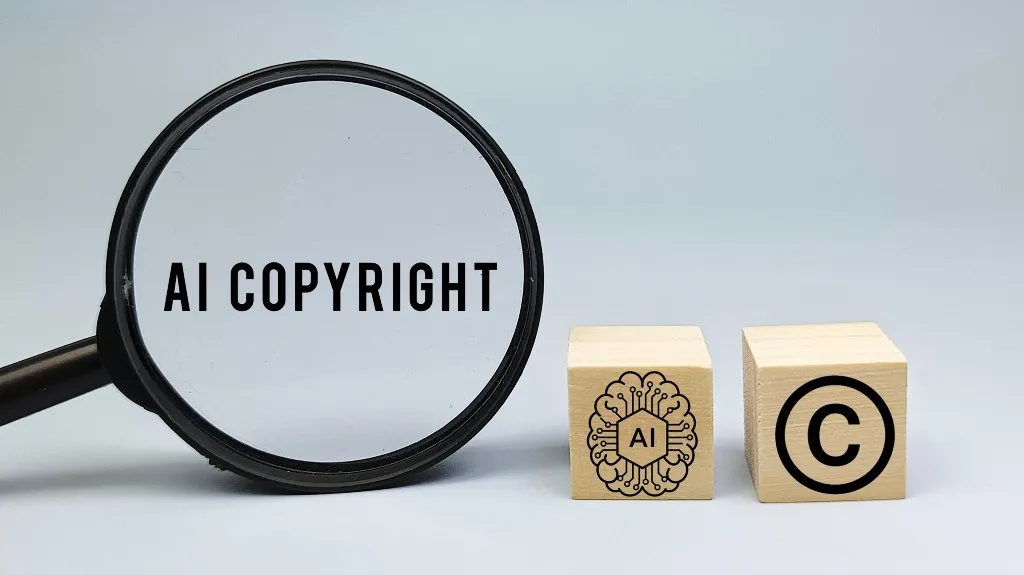
Artificial intelligence is everywhere right now. Many companies are using AI tools to save time and increase productivity.
While AI can be a powerful business tool, it can also lead to legal concerns, especially when it comes to copyright infringement.
Many businesses assume that if an AI platform generates something for them, they automatically own it and can use it however they want. That is not always true.
As AI evolves, copyright law is struggling to keep pace. Here is what businesses should know about AI and copyright infringement.
Copyright Laws Are Changing
Traditional copyright law was built around human creators. A photographer takes a photo or a writer creates an article. That meant copyright protection belonged to the person who created the work.
However, AI has changed that equation.
These AI systems are trained using existing data pulled from books, articles, artwork, music, websites, and other creative works across the internet. This has led to legal debates about whether copyrighted material is being used without permission during the training process.
At the same time, there are questions about the content AI tools produce. For example:
- Who owns AI-generated content?
- Can AI-generated work receive copyright protection?
- What happens if AI creates something substantially similar to an existing copyrighted work?
- Could businesses face liability for using AI-generated materials commercially?
Right now, courts and lawmakers are still working through many of these issues.
Never Assume AI Output Is Safe
Many people think that machine-generated content is automatically original. That is not always true.
In some cases, outputs may unintentionally resemble existing copyrighted material. This can happen when prompts ask to imitate a specific creator, style, brand, or published work.
In the business world, that creates risk. You might use an AI tool to generate website copy, advertising images, or marketing materials. Unfortunately, that could lead to receiving a cease-and-desist letter claiming the content infringes on someone else’s intellectual property rights.
Even if the infringement was unintentional, defending against those claims can still be expensive and disruptive.
Ownership Rights May Not Be Established
The U.S. Copyright Office has stated that purely AI-generated works created without meaningful human involvement may not qualify for copyright protection. In other words, businesses may not fully own certain AI-generated content, as they would with traditionally commissioned work. That can create problems with:
- Branding materials
- Advertising campaigns
- Website content
- Logos and graphics
- Creative assets developed for clients
If a company cannot establish ownership rights, then enforcement can become harder against competitors.
Consider Developing Internal AI Policies
As AI tools are used in the workplace, businesses might want to consider creating internal policies about how employees use them. That may include guidelines for:
- Acceptable AI platforms
- Review and approval processes
- Copyright and plagiarism checks
- Human editing requirements
- Confidential or proprietary information
- Commercial use limitations
Without policies in place, employees may expose the company to intellectual property disputes. In turn, that can lead to privacy concerns or even contractual issues.
Yes, AI can absolutely improve efficiency. However, it still requires human oversight. You never want to treat AI-generated content as publish-ready without a human review. That is where many businesses can get into trouble.
The Laws Are Still Evolving
AI and copyright law rules are still developing in real time.
Courts across the country are beginning to hear lawsuits involving AI training data, copyrighted works, authorship rights, and intellectual property ownership. Along with that, regulators are exploring how existing laws apply to this changing technology.
That means businesses cannot rely on assumptions or outdated guidance. What feels legally acceptable today may become the focus of litigation tomorrow.
AI Is Changing Copyright Guidelines
Businesses using AI tools should approach them thoughtfully. You want to make sure to review any AI-generated content. Along with that, make sure your employees know intellectual property risks. And if there is any doubt, get legal help.
AI can be an asset when used strategically. However, the key is making sure innovation does not outpace legal awareness. If you have questions about AI and copyright infringement, reach out to Phillips & Bathke, P.C. We can help you take those steps to protect your assets and business.